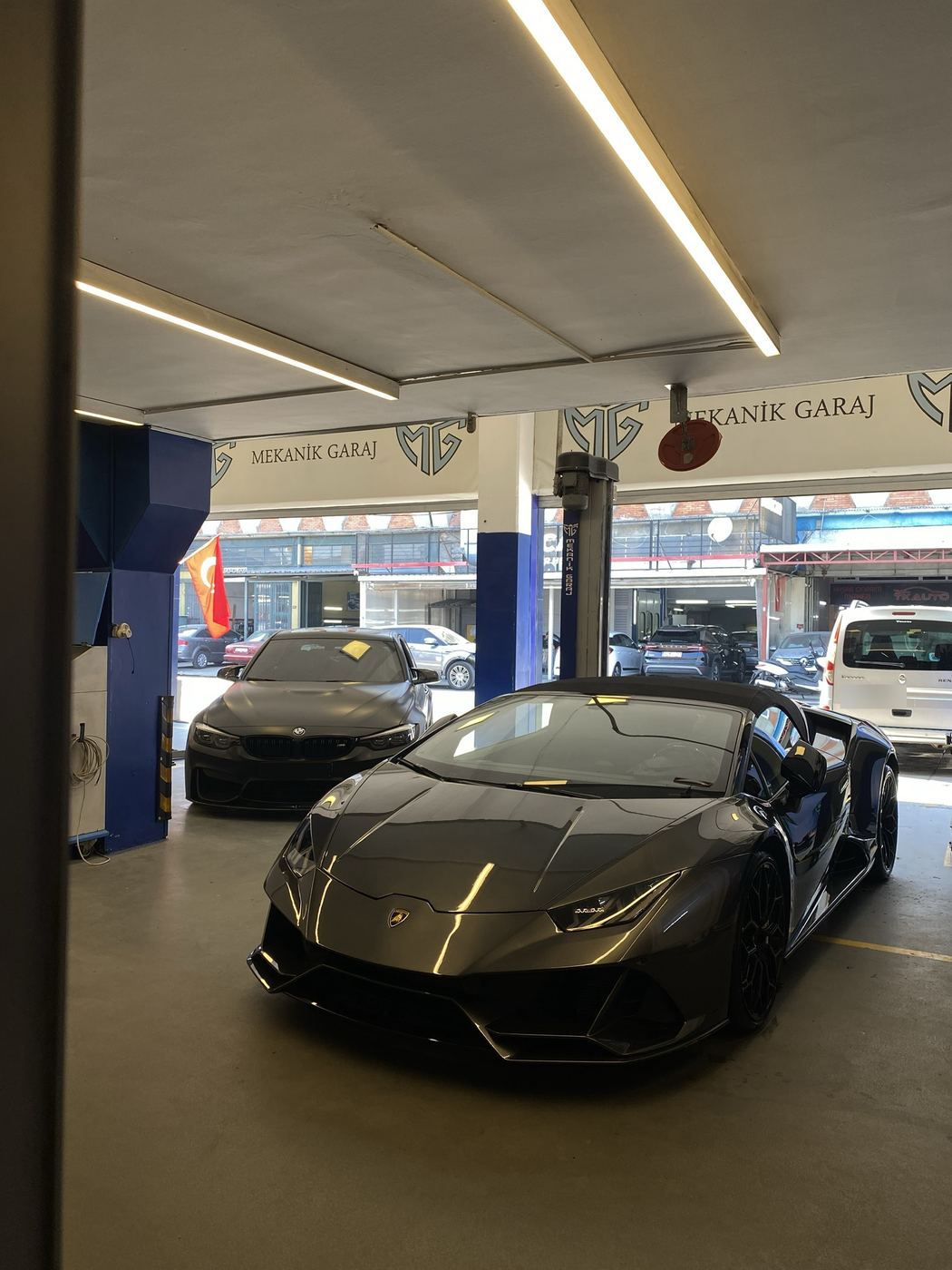
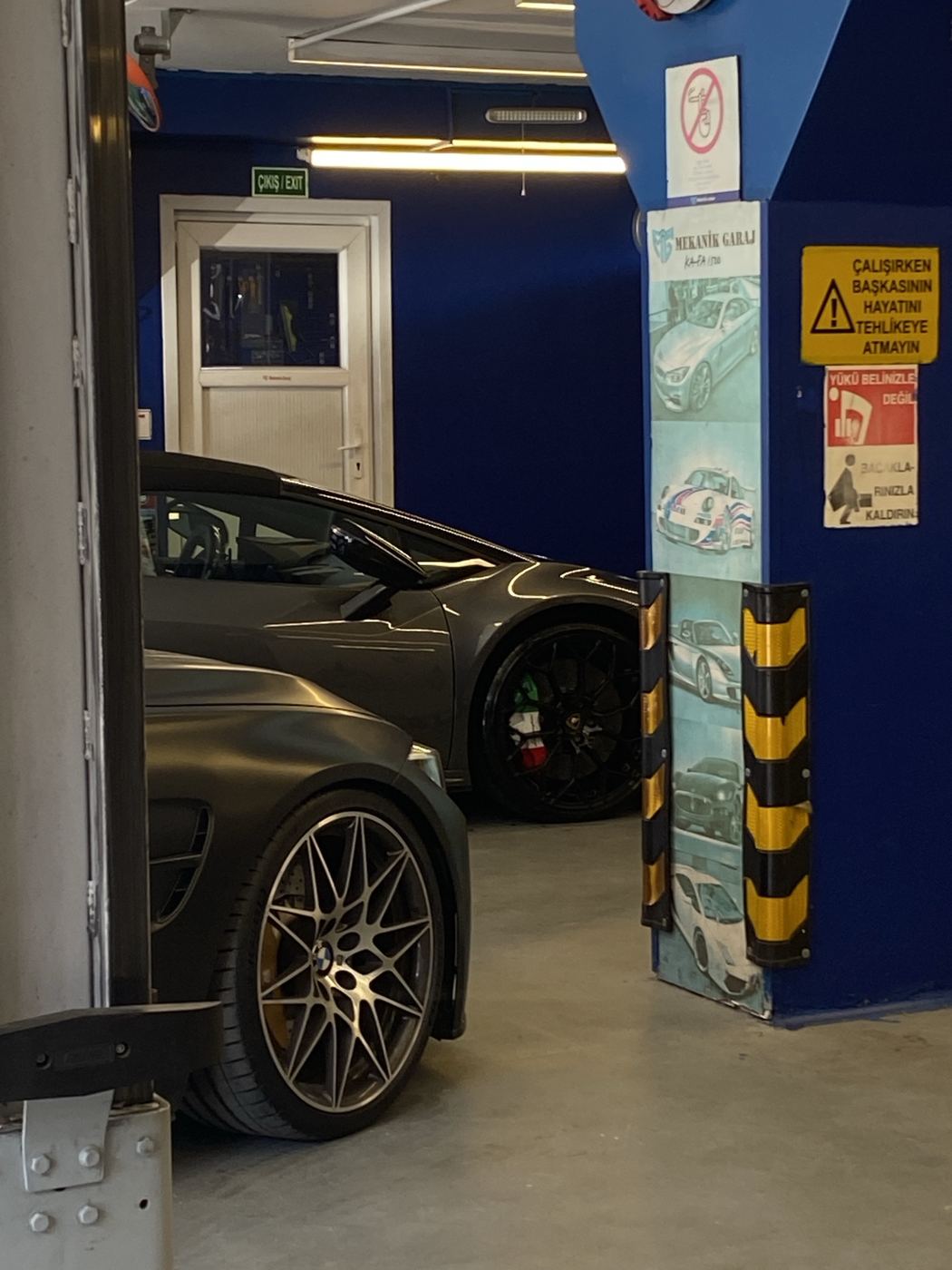
In the summer of 2025 I spent three months as a mechanical assistant at Mekanik Garaj in Istanbul. It's a workshop that sees a lot of high-performance cars: on a normal week there would be an AMG, a McLaren or a Lamborghini on one of the lifts, next to someone's daily driver.
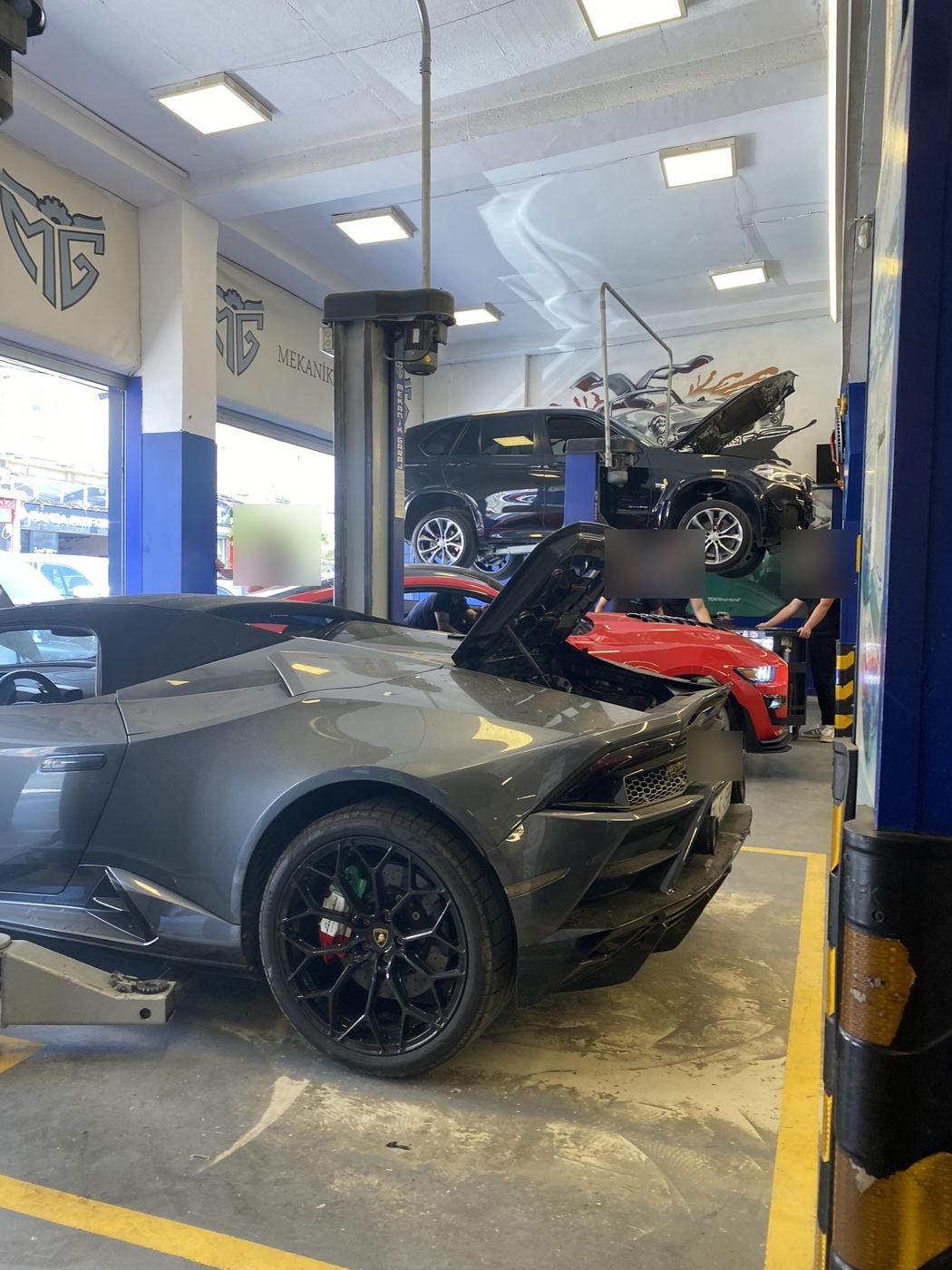
I didn't arrive with empty hands. I had studied automotive technology and done an internship at a Renault dealer, so I knew my way around a workshop. But knowing how something works and being trusted to take it apart on a customer's supercar are two different things.
Starting with brakes
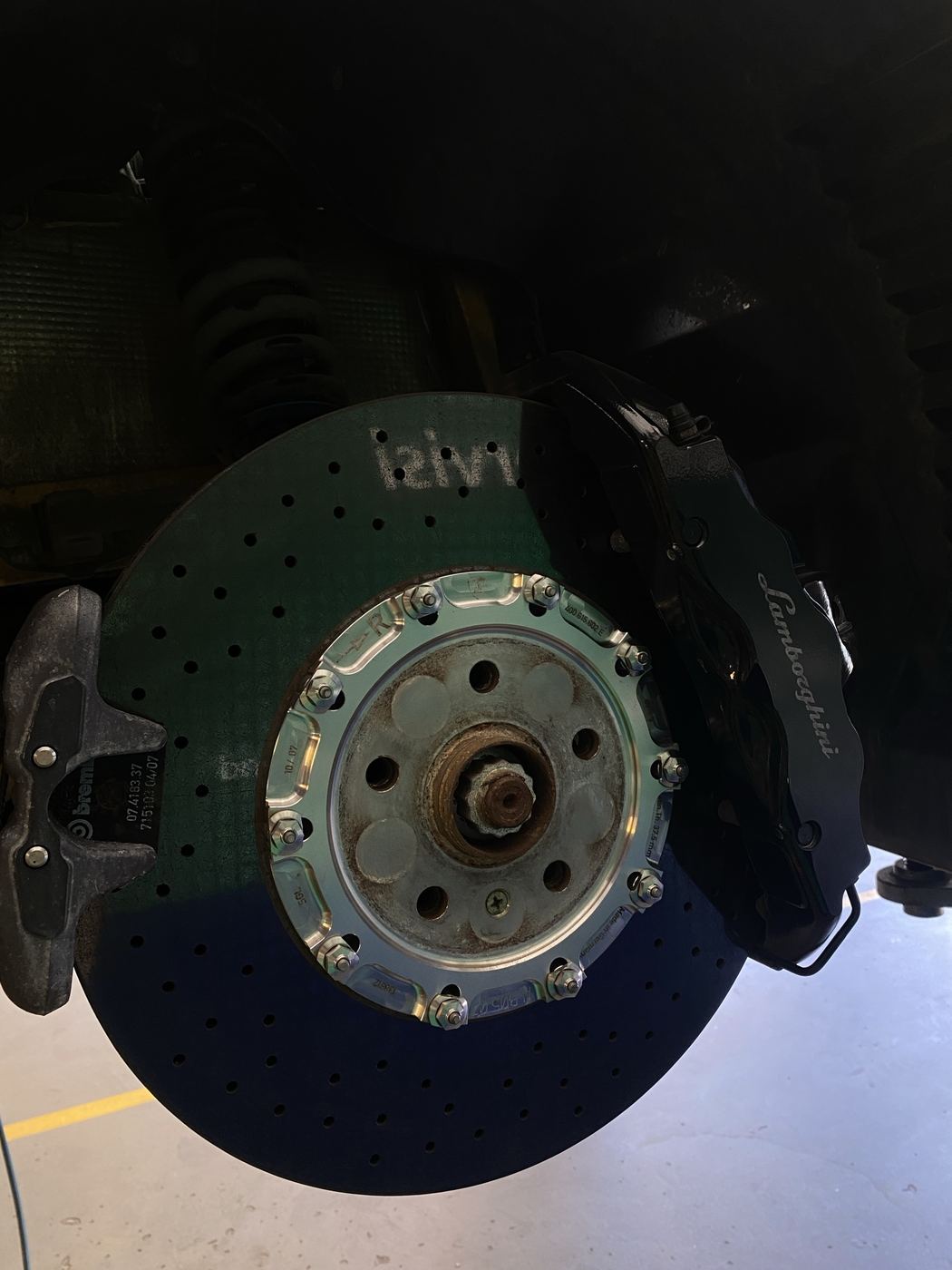
The masters started me on brakes: disc and pad changes. It's a good first job. The procedure is clear, mistakes are easy to spot, and you quickly learn how a car is supported on the lift and how the wheels and calipers come off and go back on.
From there I moved on to routine maintenance: oil services and filter changes. Then came bodywork, which I hadn't expected. I straightened a bonnet, took bumpers off and put them back on.
The last month
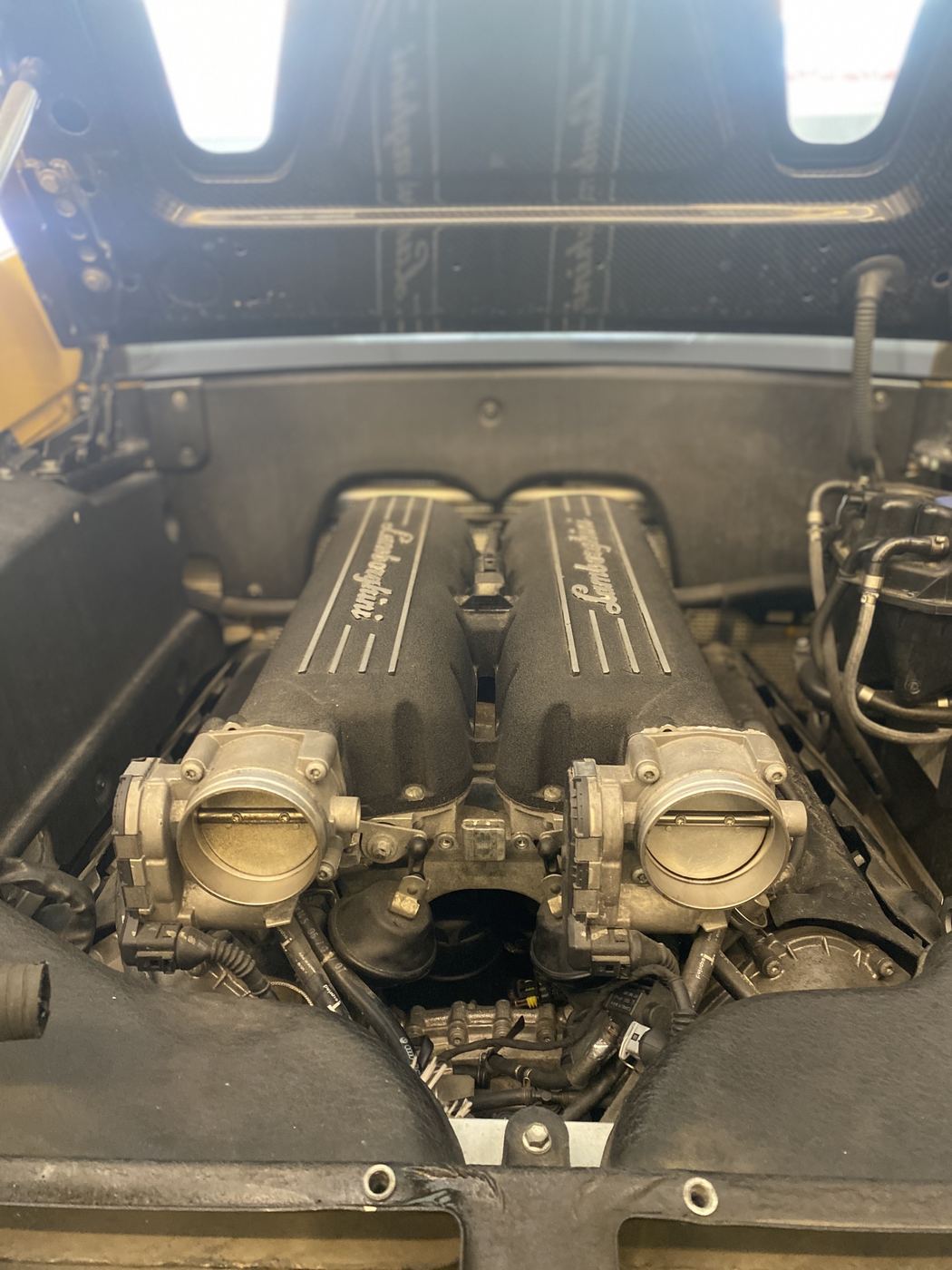
By my last month I was working with a master on engine teardowns, finding faults and replacing parts where they needed replacing. I was also doing jobs on my own, mostly removing and refitting components, without someone checking every step.
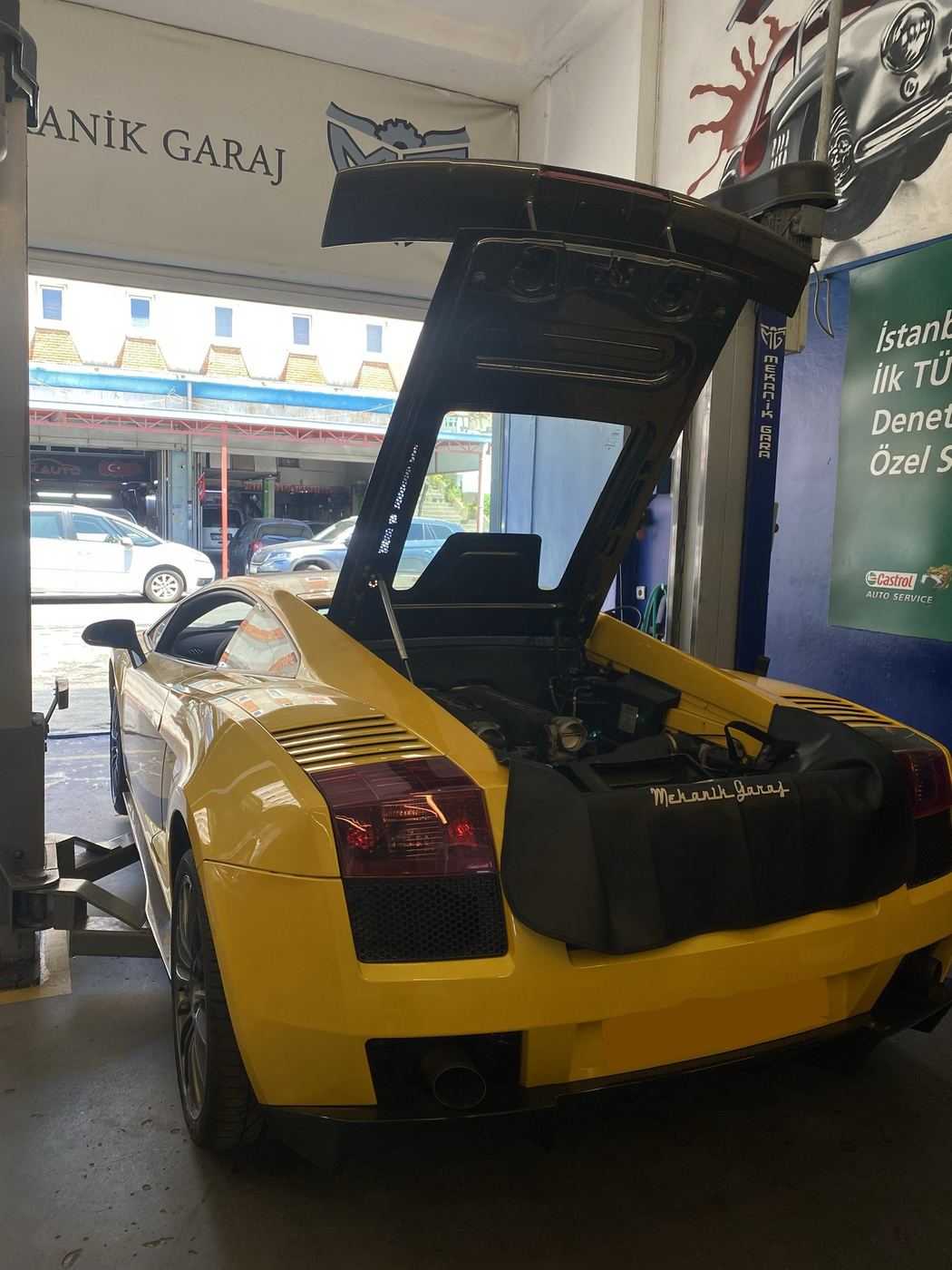
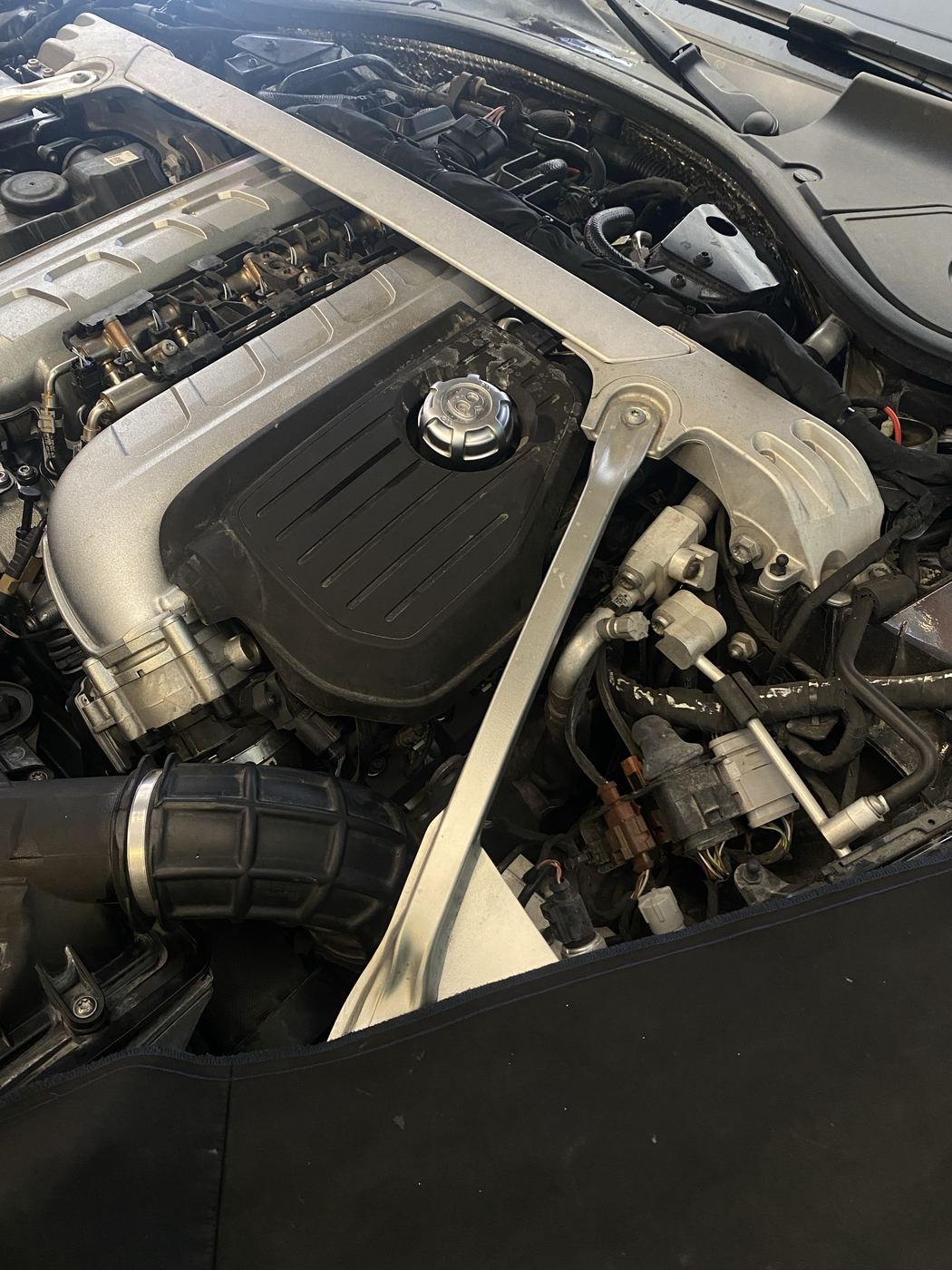
That progression is what I'm most grateful for. The mechanics taught me whatever they could, whenever they could, and I got on well with them and the other guys in the workshop. It made every day fun, and it's the reason I learned as much as I did.
A leak on a Cayenne
One of the jobs I handled myself was a Porsche Cayenne with water leaking in along the side step. I looked into where it was coming from and fixed it. It wasn't a glamorous job, but it was mine from start to finish.
The hardest filter on a Huracán
The job I remember best was a service on a Lamborghini Huracán. Most of the filters came out the way you'd expect. The pollen filter didn't: to reach it, we had to take the glovebox out of the interior.
On a car like that, interior trim is all clips, tight gaps and surfaces you really don't want to mark. Every piece came out slowly and went back exactly as it came out. It needed more care than anything else that day, for what is, on paper, a routine service item.
A filter that is changed at every service sat behind the glovebox.
What I took back to engineering
I'm now in my final year of mechanical engineering, and that filter comes back to me when I model parts in SolidWorks. Somebody chose to put it there, probably for good reasons: packaging, noise, the shape of the cabin. In the workshop, the cost of that choice shows up as time and risk every time the car comes in.
That's the main thing the summer gave me. When I design a part now, I think about the person who will have to take it off.